England Launches Newborn Screening for Spinal Muscular Atrophy in 2027
England to screen all newborns for spinal muscular atrophy from 2027. Early detection enables treatment before debilitating symptoms develop in this rare muscle...
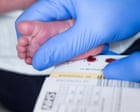
Historic Announcement: Newborn Spinal Muscular Atrophy Screening Across England
The Department of Health and Social Care has confirmed that spinal muscular atrophy screening will become a standard part of newborn health assessments throughout England starting in 2027. This universal screening initiative represents a transformative approach to identifying and managing this rare genetic disorder in its earliest stages.
Spinal muscular atrophy, commonly referred to as SMA, affects the nerve cells responsible for controlling voluntary muscle movements. The implementation of comprehensive newborn spinal muscular atrophy screening marks a significant milestone in British healthcare, demonstrating the government's commitment to early intervention strategies for rare genetic conditions.
Why Spinal Muscular Atrophy Screening Matters
SMA is a progressive neuromuscular disorder characterized by muscle weakness and atrophy. Without intervention, affected individuals may experience severe mobility limitations and other complications that significantly impact quality of life. Early detection through newborn screening creates opportunities for prompt medical intervention before symptoms manifest.
Healthcare professionals emphasize that identifying spinal muscular atrophy in newborns allows families and medical teams to begin treatment protocols immediately. This proactive approach can prevent or substantially delay the onset of debilitating symptoms that traditionally accompanied an SMA diagnosis.
Campaigners Celebrate Landmark Healthcare Decision
Patient advocacy groups and disease awareness organizations have praised the announcement as a landmark moment in genetic disease management. Campaigners working to raise awareness about spinal muscular atrophy have long advocated for universal newborn screening, viewing it as essential for improving outcomes among affected children.
The collaborative efforts between medical professionals, patient organizations, and government health officials culminated in this significant policy decision. Advocates emphasize that newborn spinal muscular atrophy screening represents not merely a procedural addition but a fundamental shift in how England approaches rare genetic disease detection and management.
Early Treatment and Improved Health Outcomes
Infants identified through spinal muscular atrophy screening will have access to treatment options that were previously unavailable or inaccessible to many patients. Modern therapeutic approaches can slow disease progression and enable children to achieve developmental milestones they might otherwise miss.
Parents of children diagnosed with SMA through early screening initiatives report significantly better long-term health trajectories compared to those diagnosed later. The availability of treatments combined with early intervention creates opportunities for children with spinal muscular atrophy to grow and develop with minimal debilitating symptoms.
Implementation Timeline and Healthcare Infrastructure
The 2027 launch date allows the National Health Service adequate time to prepare screening infrastructure, train healthcare personnel, and establish protocols for managing positive results. This implementation timeline ensures that newborn spinal muscular atrophy screening can be seamlessly integrated into existing newborn screening programs.
Healthcare facilities across England will require updated laboratory capabilities and staff training to effectively conduct spinal muscular atrophy screening on the expanded newborn population. The Department of Health and Social Care has outlined comprehensive plans to support this transition.
Impact on Families and Future Generations
Families affected by SMA view this screening initiative as transformative for future generations. The ability to identify spinal muscular atrophy before symptom onset shifts the narrative from management of an established condition to prevention of disease manifestation.
Children born in England from 2027 onwards will benefit from this proactive approach. Parents discovering their infants have SMA through newborn screening can immediately engage with specialized medical teams, support services, and evidence-based treatment protocols designed specifically for spinal muscular atrophy management.
Broader Implications for Rare Disease Detection
This expansion of newborn screening demonstrates England's commitment to identifying rare genetic conditions early. The inclusion of spinal muscular atrophy screening may pave the way for additional rare disease screening programs, creating a comprehensive framework for genetic disease detection in newborns.
The successful implementation of spinal muscular atrophy screening could serve as a model for other countries considering similar initiatives. International health organizations are monitoring England's progress with interest, recognizing the potential to improve healthcare outcomes for rare disease patients globally.