Expert Withdraws Support for Channel 4 ADHD Documentary
Leading neuroscience professor criticizes Channel 4's ADHD documentary for bias and misrepresentation, citing concerns about medication cessation risks.
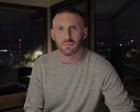
Professor Katya Rubia Withdraws Backing for 'The Great ADHD Myth?'
A prominent contributor to a widely debated Channel 4 ADHD documentary has formally withdrawn her endorsement of the programme, citing significant concerns about its editorial approach and potential public health implications. The ADHD documentary in question, titled 'The Great ADHD Myth?', has drawn considerable scrutiny from the scientific community since its release, with multiple leading experts questioning its methodology and conclusions.
Katya Rubia, distinguished professor of cognitive neuroscience at King's College London's prestigious Institute of Psychiatry, Psychology and Neuroscience, has become the latest prominent figure to distance herself from the production. Her decision represents a pivotal moment in the ongoing debate surrounding how mainstream media covers attention deficit hyperactivity disorder and related treatments.
Concerns About Misrepresentation and Editorial Bias
Professor Rubia has explicitly stated that the ADHD documentary misrepresented her views and research findings. According to her assessment, the programme presents a fundamentally skewed narrative that does not accurately reflect the current scientific consensus on attention deficit hyperactivity disorder or the efficacy of established therapeutic interventions.
The professor's primary concern centers on what she describes as a biased editorial framework that selectively presents evidence while omitting crucial research that contradicts the programme's central thesis. This editorial approach, she argues, undermines the credibility of the documentary and potentially misleads viewers about the nature of ADHD and appropriate treatment pathways.
Public Health Risks Associated with the Programme
Most alarmingly, Professor Rubia has raised serious concerns about the potential consequences of the ADHD documentary's messaging. She warns that the programme's apparent discouragement of medication adherence could have devastating consequences for vulnerable populations, particularly children and adolescents currently receiving pharmaceutical treatment for attention deficit hyperactivity disorder.
The neuroscience expert specifically highlighted the heightened suicide risk that may accompany sudden medication discontinuation without proper medical supervision. Her concerns reflect broader clinical understanding that abrupt cessation of ADHD medications can trigger serious psychological and neurological complications, including increased suicidal ideation among young patients.
This warning underscores the responsibility that media organizations bear when presenting health-related content to mass audiences. When documentary producers present arguments that could influence parents to discontinue their children's necessary medical treatment, the potential for serious harm becomes a critical ethical consideration.
Growing Expert Criticism of the Documentary
Professor Rubia's withdrawal of support is not an isolated incident. Other leading figures within the mental health and neuroscience communities have voiced similar criticisms of the ADHD documentary, citing concerns about its scientific rigor and balanced presentation of evidence. The accumulating expert criticism suggests that the programme fails to meet established standards for responsible health journalism.
These criticisms have prompted broader conversations within the medical and academic communities about the adequacy of current editorial standards for health-related documentaries. Many experts argue that programmes addressing complex neurological and psychiatric conditions should be subject to rigorous fact-checking processes and consultation with multiple independent specialists.
Implications for ADHD Understanding and Treatment
The controversy surrounding the ADHD documentary highlights the significant gap between public perception and scientific evidence regarding attention deficit hyperactivity disorder. While the condition has become increasingly recognized in recent decades, misconceptions persist about its nature, prevalence, and appropriate treatment approaches.
The legitimate debate about ADHD diagnosis rates and medication prescription practices should be informed by rigorous scientific evidence rather than selective presentation of data. Professor Rubia's expertise in cognitive neuroscience positions her to contribute meaningfully to these discussions, making her withdrawal of support particularly significant.
Moving Forward: Standards for Health Communication
This incident involving the controversial ADHD documentary raises important questions about editorial accountability in health-related broadcasting. As media organizations continue to produce content addressing complex medical and psychiatric topics, establishing clearer standards for expert consultation, fact verification, and balanced representation becomes increasingly essential.
The case of Professor Katya Rubia and her concerns about the ADHD documentary demonstrates the need for collaboration between media professionals and scientific experts to ensure that public health information meets appropriate standards of accuracy and responsibility. Such collaboration would help prevent the dissemination of potentially harmful misinformation while still allowing for legitimate scientific debate and discussion of contentious topics within the field of mental health and neuroscience.