US Heavy Strikes Target Iran Following Attack Attempt on American Forces
The United States launches heavy strikes on Iran after an attempted attack on American troops. Missile attacks resume between both sides following a brief perio...
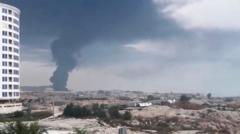
US Heavy Strikes Target Iran Following Attack Attempt on American Forces
The United States has launched heavy strikes on Iran in retaliation following an attempted attack directed at American troops stationed in the region. The escalation marks a significant turning point in the ongoing tensions between the two nations, with US strikes on Iran representing a decisive military response to hostile actions. This development comes after a relatively brief period during which both sides had suspended major military operations.
Resumption of Hostilities After Period of Calm
Following weeks of reduced tensions, the situation has dramatically shifted as both the United States and Iran have resumed their pattern of military escalation. The attempted attack on American military personnel served as the catalyst for the renewed confrontation, prompting Washington to authorize substantial defensive and retaliatory measures. This cycle demonstrates the fragile nature of the ceasefire that had been in place, with neither side maintaining restraint for an extended duration.
Missile Attacks Intensify Between Both Sides
The military engagement has entered a new phase characterized by the deployment of advanced weaponry. Missile attacks have become the primary method of exchange, with both nations demonstrating their capacity and willingness to conduct long-range strikes. The sophistication and scale of these operations underscore the technological capabilities available to both sides in this protracted standoff. American military officials have confirmed that the strikes were conducted with precision and targeted strategic locations of significance.
Strategic Response and Military Operations
The decision to launch heavy strikes represents a carefully calculated response to the perceived threat posed by the attempted assault on US troops. Military commanders have assessed the attack as sufficiently serious to warrant an immediate and substantial counteroffensive. The strikes themselves were executed with strategic precision, reflecting months of planning and intelligence gathering. Pentagon officials have indicated that multiple targets were identified and engaged during the operation, focusing on infrastructure and military installations deemed critical to Iranian operations.
Regional Security Implications
The renewal of military hostilities carries significant implications for regional stability and international relations. The escalation between US strikes on Iran serves as a stark reminder of the persistent military tensions in the Middle East. Other regional powers and international observers are closely monitoring the situation, as any further escalation could have broader geopolitical consequences. The cycle of attack and counterattack raises concerns about the potential for unintended consequences or miscalculation that could draw additional actors into the conflict.
Background of Ongoing Tensions
The current crisis reflects years of deepening animosity and military posturing between the United States and Iran. Previous attempts at diplomatic resolution have yielded limited success, leaving military confrontation as a recurring feature of their relationship. The attempted attack on American troops that triggered the latest response follows a pattern of periodic hostile actions that have characterized the broader context of American military presence in the region. Both nations have consistently demonstrated their readiness to respond to perceived provocations with military force.
International Response and Diplomatic Outlook
World powers have expressed concern regarding the renewed escalation and its potential consequences for global stability. Diplomatic channels remain open, though concrete progress toward de-escalation remains uncertain. The international community continues to urge restraint from both parties, recognizing the risks inherent in sustained military engagement. However, the current trajectory suggests that military solutions rather than diplomatic negotiations are currently dominating the strategic calculations of both the United States and Iran.