UEFA Threatens World Cup Boycott Over FIFA Investment Plans
UEFA's 55 member associations vote to boycott World Cups if FIFA doesn't abandon investment proposals. Read about this major conflict between UEFA and FIFA.
UEFA Declares World Cup Boycott Threat Over FIFA Investment Plans
In a significant escalation of tensions within global football governance, UEFA has announced that a World Cup boycott could become reality if FIFA continues to pursue controversial investment initiatives. The European confederation's decisive action represents one of the most serious challenges to FIFA's authority in recent years.
Historic Vote by European Football Associations
All 55 member associations of UEFA participated in a crucial vote supporting the potential World Cup boycott stance. This unprecedented unified position from European football bodies demonstrates the depth of concern regarding FIFA's direction under current leadership. The vote was not merely symbolic; it represents a binding commitment to withdraw from future World Cup tournaments unless significant policy changes occur.
The Core Message: "The World Cup is Not for Sale"
UEFA's official statement carried a powerful declaration: "The World Cup is not for sale." This phrase encapsulates European football's fundamental objection to FIFA's proposed investment model. The confederation argues that the world's premier football competition should not be treated as a commercial asset available to investors seeking financial returns.
FIFA President Gianni Infantino at Center of Dispute
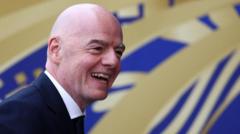
FIFA President Gianni Infantino's investment proposals have triggered this unprecedented response from UEFA leadership. The proposals, which remain controversial among European stakeholders, appear to fundamentally alter how the World Cup operates from a financial and structural perspective. Infantino's vision for modernizing FIFA's revenue streams has collided head-on with UEFA's more conservative approach to protecting the competition's integrity.
Understanding the Investment Proposals
While specific details of FIFA's investment plans remain complex, the core disagreement centers on whether external investors should have any stake in World Cup operations and profits. UEFA believes this would compromise the tournament's independence and potentially influence decision-making in ways detrimental to the sport itself. The European confederation maintains that football governance must remain primarily in the hands of football organizations, not financial investors.
Implications for International Football
A potential World Cup boycott by UEFA would fundamentally reshape international football competition. Europe's withdrawal would create a World Cup featuring only non-European nations, an outcome that would diminish the tournament's prestige and competitive quality. This scenario underscores the extraordinary seriousness with which UEFA has communicated its opposition to FIFA's current trajectory.
Unified European Football Response
The unanimous support from all 55 UEFA member associations signals that this is not merely a dispute between FIFA and UEFA leadership, but rather a comprehensive rejection across the entire European football establishment. Nations ranging from major football powers to smaller associations have collectively endorsed this boycott position, demonstrating remarkable solidarity.
FIFA's Controversial Modernization Strategy
President Infantino has framed his investment proposals as necessary modernization to keep FIFA competitive and financially secure in an evolving global sports landscape. However, UEFA interprets these measures as threats to the fundamental principles governing international football. The philosophical divide between FIFA's vision of embracing external capital and UEFA's insistence on maintaining football autonomy represents a critical juncture for the sport.
Historical Context and Football Governance
This conflict occurs within a broader context of evolving FIFA governance structures. Previous scandals and corruption allegations have made European football organizations increasingly vigilant about protecting institutional independence. UEFA's strong stance reflects lessons learned from past controversies and a determination to prevent similar issues from recurring under new financial arrangements.
The Path Forward
The World Cup boycott threat creates significant pressure on FIFA leadership to reconsider or substantially modify its investment proposals. Negotiations between UEFA and FIFA will determine whether compromise is possible or whether this dispute escalates further. The outcome will have profound implications for how international football is governed, financed, and structured for decades to come.