Trump Explores AI Regulations Following OpenAI Security Breaches
Donald Trump's administration reconsiders its hands-off approach to artificial intelligence policy after recent OpenAI hacking incidents compromise security pro...
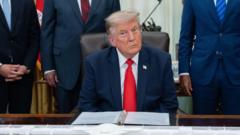
Trump Administration Shifts Stance on Artificial Intelligence Oversight
The Trump administration is now evaluating comprehensive AI regulations in response to significant security vulnerabilities exposed by recent hacking incidents targeting OpenAI. This represents a notable pivot from the administration's previously established position of minimal regulatory intervention in the rapidly evolving technology sector.
For months, the Trump administration has maintained a relatively permissive regulatory framework, allowing companies considerable freedom to develop and deploy artificial intelligence systems without extensive government oversight. However, the recent security breaches have prompted officials to reconsider this approach and examine whether stricter guidelines are necessary to protect critical digital infrastructure and sensitive data.
Understanding the Security Breach Context
The hacking incidents at OpenAI have raised serious concerns among policymakers regarding the vulnerability of advanced artificial intelligence systems to malicious cyber attacks. These security events have demonstrated that even organizations at the forefront of AI technology development face substantial risks when adequate protective measures are not implemented.
Federal officials are now questioning whether the current regulatory framework sufficiently addresses cybersecurity threats inherent to AI systems. The breaches have sparked internal discussions about establishing minimum security standards, data protection requirements, and incident reporting obligations for companies operating in the artificial intelligence space.
Policy Implications and Regulatory Considerations
This shift toward considering more active AI regulations marks a significant departure from the Trump administration's broader deregulatory agenda. While the administration has generally sought to reduce bureaucratic constraints on business operations, the security vulnerabilities exposed by the OpenAI incidents suggest that some level of government intervention may be warranted in critical technology sectors.
The administration is reportedly examining various regulatory models, including:
• Mandatory security certifications for organizations developing large-scale AI systems
• Incident disclosure requirements for cybersecurity breaches affecting AI infrastructure
• Cross-agency coordination between technology companies and federal security agencies
• Industry standards development to establish baseline protection protocols
Industry Response to Potential Regulations
Technology companies and AI developers are closely monitoring the Trump administration's deliberations regarding potential new regulations. While some industry leaders acknowledge that security improvements are necessary, others express concerns that overly prescriptive federal requirements could slow innovation and competitiveness in the rapidly advancing field of artificial intelligence.
OpenAI and competing firms in the AI sector are engaging with policymakers to shape any emerging regulatory framework. These discussions aim to balance security imperatives with the need to maintain rapid technological advancement and preserve competitive advantages in the global AI development race.
Broader Implications for Technology Governance
The Trump administration's reconsideration of AI regulations reflects growing recognition that certain technology sectors may require targeted oversight despite broader deregulatory priorities. This nuanced approach suggests that policymakers are distinguishing between different regulatory contexts, applying stricter standards where national security or critical infrastructure are at stake.
The shift also highlights how security incidents can catalyze policy changes even within administrations traditionally skeptical of regulatory expansion. The OpenAI hacking incidents have provided a concrete justification for government intervention that resonates with both security-focused officials and business leaders concerned about reputational damage and liability.
Future Regulatory Landscape
As the administration continues evaluating potential AI regulations, key questions remain about implementation timelines, enforcement mechanisms, and international coordination. Federal agencies are likely to engage with Congress to determine whether new legislation is necessary or whether executive authority permits adequate regulatory adjustments.
The development of appropriate safeguards for artificial intelligence systems represents a critical challenge for modern governance. Policymakers must determine how to protect against cybersecurity threats while preserving the innovation potential that has made the United States a leader in AI technology development and deployment globally.


