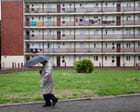
Temporary Housing Families Denied AC Access During London Heatwaves
Exclusive: London families in temporary housing told they cannot use air conditioning. Two children hospitalized during heatwaves at Britannia Point. Read the f...
Families Denied Air Conditioning Access in London Temporary Housing Crisis
Homeless families residing in temporary housing across London have been confronted with a troubling situation regarding temporary housing air conditioning systems. Despite living in climate-controlled residential buildings equipped with modern cooling units, residents were explicitly informed that they could not operate the air conditioning systems installed within their units, creating hazardous living conditions during extreme weather periods.
Children Hospitalized During Extreme Heat Events
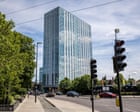
The situation escalated dramatically when two young children required emergency hospital treatment following dangerous temperature exposures. Families accommodated at Britannia Point in Colliers Wood, located in south-west London, endured particularly severe conditions that triggered health emergencies among vulnerable household members. The management company overseeing these temporary accommodations initially justified the air conditioning restrictions by stating that cooling systems had "not been offered as an amenity" to residents in temporary housing arrangements.
Widespread Health Concerns Across Multiple Households
Beyond the hospitalization cases, numerous other families experienced concerning health deterioration during recent heatwave periods. Young children in multiple households became ill due to excessive indoor temperatures, with some families reporting conditions that approached dangerous levels. The lack of adequate cooling mechanisms forced parents to seek alternative emergency measures, including visits to hospitals and emergency care facilities during peak heat periods.
Management Response and Policy Reversal
Following intervention and media attention regarding the temporary housing air conditioning restrictions, the company managing affected tenancies reversed its previous position. Residents were subsequently informed that they would be permitted to utilize the air conditioning systems within their units. This reversal came only after the health crisis became public and multiple families had already suffered adverse health consequences from the restrictive policies.
Questions About Temporary Housing Standards
The incident at Britannia Point raises significant questions about the standards and conditions imposed upon families in temporary accommodation situations. Housing authorities and management companies face ongoing scrutiny regarding their obligations to provide safe, habitable living environments during extreme weather conditions. The air conditioning restriction policy demonstrates a concerning gap between the physical infrastructure available in these buildings and the actual rights granted to vulnerable residents.
Impact on Vulnerable Populations
Families experiencing homelessness and residing in temporary housing arrangements represent some of society's most vulnerable populations. Such restrictions disproportionately affect children, elderly residents, and individuals with pre-existing health conditions who are particularly susceptible to heat-related illnesses. The forced exposure to extreme indoor temperatures violates basic principles of housing adequacy and child welfare protection standards.
Broader Implications for Housing Policy
This case exemplifies systemic issues within the temporary housing sector where cost-cutting measures and ambiguous policy language create dangerous situations for residents. The distinction between amenities and essential utilities becomes critical when discussing basic climate control during heatwave periods. Future housing policy must clarify that essential climate control constitutes a fundamental requirement rather than an optional amenity, particularly in light of increasingly severe and frequent heatwaves resulting from climate change.