Parasite Medications Fraudulently Marketed as Cancer Cures, BBC Reports
BBC investigation uncovers dewormer and scabies medications being illegally sold as cancer treatments, including to terminally-ill patients by unscrupulous sale...
Fraudulent Cancer Treatment Scheme Uncovered
A comprehensive BBC investigation has revealed a disturbing pattern of cancer treatment fraud in which dewormer and scabies medications are being illegally sold to vulnerable patients as legitimate cancer therapies. These counterfeit cancer cures represent a serious threat to public health, exploiting desperate individuals seeking alternative medical solutions.
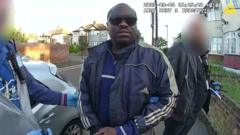
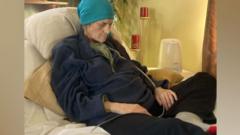
The investigation documented multiple cases where individuals with terminal diagnoses were targeted by unscrupulous distributors who made false claims about the therapeutic potential of these medications. One particularly troubling case involved a terminally-ill patient who was approached by a stair lift salesman with assertions that these substances possessed tumor-shrinking properties.
How the Fraud Operates
The cancer treatment fraud scheme relies on manipulating vulnerable populations through deceptive marketing tactics. Salespeople without legitimate medical credentials promote parasite-treating medications as revolutionary cancer therapies, leveraging emotional desperation of patients and families facing life-threatening diagnoses.
These defrauding operations typically claim their products can shrink tumors and provide cure alternatives to conventional oncology treatment. The perpetrators often use testimonials and pseudo-scientific language to establish false credibility, targeting individuals who have exhausted conventional medical options or harbor skepticism toward established healthcare providers.
Medication Misuse and Health Risks
The medications being fraudulently marketed as cancer treatments were developed specifically for parasitic infections and dermatological conditions. Using these substances outside their approved therapeutic applications poses significant health dangers to patients already compromised by serious illness.
Dewormer medications and scabies treatments carry known side effects and contraindications when used improperly. Patients who consume these drugs under false pretenses may experience adverse reactions while simultaneously delaying or abandoning proven cancer therapies, thereby worsening their prognosis and accelerating disease progression.
BBC's Investigation Methodology
The BBC investigation employed undercover techniques to expose the cancer treatment fraud at multiple levels. Journalists traced the supply chains, documented sales pitches, and gathered evidence of false marketing claims. The investigation revealed systematic deception across multiple geographic regions and demographic groups.
Investigators identified numerous instances where individuals lacking medical licenses actively promoted these medications as cancer cures. The research demonstrated that many perpetrators specifically targeted terminally-ill patients and their families, exploiting psychological vulnerability and medical desperation.
The Stair Lift Salesman Connection
One particularly striking revelation involved a stair lift salesman who extended his commercial operations into fraudulent health product distribution. This individual approached a terminally-ill patient with claims that dewormer and scabies medications could shrink tumors, representing a cross-sector exploitation scheme.
The case exemplifies how cancer treatment fraud operates beyond traditional pharmaceutical channels. Salespeople from unrelated industries leverage customer relationships and access to distribute unproven medical interventions, blurring professional boundaries and exploiting trust relationships.
Vulnerability of Cancer Patients
Terminally-ill patients represent particularly vulnerable populations susceptible to cancer treatment fraud schemes. Facing limited treatment options and poor prognoses, these individuals often desperately pursue alternative approaches, making them ideal targets for sophisticated deception campaigns.
The psychological and emotional toll of terminal diagnoses impairs critical decision-making abilities. Patients and families grasping for hope become susceptible to exaggerated claims about unproven medications, especially when presented by seemingly credible individuals with confident assertions.
Regulatory Gaps and Enforcement Challenges
The cancer treatment fraud investigation reveals significant regulatory gaps that allow deceptive practices to proliferate. Authorities struggle to monitor and prevent unauthorized distribution of medications marketed with fraudulent health claims, particularly when distributors lack traditional pharmaceutical credentials.
Enforcement efforts face challenges in identifying all perpetrators and distribution networks. The decentralized nature of these fraudulent operations allows participants to operate with minimal regulatory oversight, particularly when selling through informal networks or private transactions.
Public Health Implications
The cancer treatment fraud scheme represents a broader public health threat extending beyond individual victims. When patients abandon conventional oncology treatment in favor of unproven medications, disease progression accelerates and treatment outcomes deteriorate substantially.
The investigation underscores the critical importance of patient education regarding medication sources and therapeutic legitimacy. Healthcare providers and regulatory authorities must work collaboratively to identify and eliminate fraudulent cancer cure marketing.
Recommendations and Protective Measures
The BBC investigation provides evidence supporting stricter regulatory oversight of cancer-related health claims and medication distribution. Enhanced consumer protection mechanisms could reduce vulnerability to cancer treatment fraud schemes.
Patients should verify all cancer treatment recommendations through established medical institutions and licensed oncologists. Health authorities should implement awareness campaigns educating vulnerable populations about the dangers of unproven cancer cures and the importance of treatment verification through legitimate medical channels.