Nuclear Submarine Investment Key to UK Defence Strategy
Andy Burnham launches Trident renewal phase, emphasizing £31bn Dreadnought-class submarine programme as critical defence spending investment in British communit...
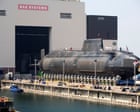
Trident Renewal Positioned as Core Defence Priority
The UK government is placing Trident renewal at the forefront of its defence agenda, with significant emphasis on how nuclear submarine replacement programmes contribute to broader economic regeneration. The Trident renewal initiative represents one of the most substantial defence commitments in recent years, reflecting the nation's strategic security priorities alongside its commitment to supporting local industries and employment.
During an official visit to Barrow-in-Furness, government leadership is advancing the next critical phase of the nuclear submarine replacement project. This development underscores how defence spending on advanced military capabilities serves dual purposes: strengthening national security whilst simultaneously driving industrial investment and economic growth in communities across the country.
Economic Impact of Defence Spending
The £31 billion investment in Dreadnought-class submarines represents a transformative commitment to the Cumbrian region and demonstrates how large-scale defence procurement can serve as a catalyst for reindustrialization. These advanced vessels are being constructed in Barrow-in-Furness, where skilled engineering workforces and established naval manufacturing capabilities make the location essential to the project's success.
Government officials characterize this Trident renewal programme as exemplifying how defence budgets extend beyond military capability to encompass broader social and economic benefits. The investment creates sustained employment opportunities, supports supply chain development, and maintains technical expertise within UK manufacturing sectors. This approach reflects a strategic understanding that national defence spending can simultaneously address security needs and community development objectives.
Strategic Significance of Nuclear Deterrence
The nuclear submarine replacement programme serves as the backbone of Britain's continuous at-sea deterrent strategy. Dreadnought-class boats represent the next generation of ballistic missile submarines, maintaining the nation's strategic nuclear capability throughout the coming decades. These vessels incorporate cutting-edge technology and advanced engineering solutions developed through rigorous research and development initiatives.
The commitment to Trident renewal demonstrates government resolve to sustain independent nuclear deterrence capabilities. This strategic posture requires consistent, long-term investment in submarine construction, maintenance infrastructure, and skilled personnel development. The programme's multi-decade timeline ensures continued industrial activity and technological advancement within UK defence industries.
Regional Development Through Defence Investment
Barrow-in-Furness has established itself as a premier centre for submarine construction, with generations of expertise embedded within its workforce and industrial base. The Trident renewal initiative builds upon this historical foundation, securing the region's position as a critical hub for advanced naval manufacturing. Government investment in the nuclear submarine replacement programme directly translates to employment security for thousands of skilled workers and broader economic stimulus for the surrounding communities.
Beyond direct employment, the defence spending associated with Trident renewal stimulates demand throughout supply chains involving engineering firms, materials suppliers, and specialist service providers across the UK. This economic multiplier effect reinforces local economies and supports the development of complementary industries and skilled trades.
Long-Term Commitment to National Defence Capability
The launch of the next phase in the nuclear submarine replacement programme signals the government's sustained commitment to maintaining Britain's independent deterrent. This multi-year, multi-billion pound undertaking requires continuous parliamentary support, technical innovation, and industrial coordination. The Trident renewal vision encompasses not only submarine construction but also associated infrastructure, training programmes, and technological development initiatives.
Investment in Dreadnought-class boat production establishes a framework for sustained defence capability development throughout the coming decades. This approach recognizes that credible nuclear deterrence requires persistent commitment to modernization, personnel training, and operational readiness. The programme balances security imperatives with economic opportunity, positioning defence spending as a mechanism for supporting communities whilst maintaining strategic capabilities.
Conclusion
The Trident renewal initiative exemplifies how contemporary defence spending integrates security strategy with economic development priorities. By advancing the nuclear submarine replacement programme at Barrow-in-Furness, the government demonstrates commitment to both national defence and community investment. The £31 billion commitment to Dreadnought-class submarine construction represents a significant statement of intent regarding Britain's strategic posture and industrial future, securing skilled employment and advancing technological capabilities for decades to come.