Mother Discovers Baby's Ashes Mistakenly Identified as Animal Remains
A grieving mother was told her baby's ashes were animal remains in a devastating mix-up. Read how Lucy Ness is seeking answers about her deceased infant.
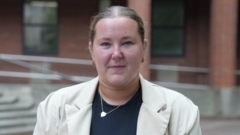
Heartbreaking Discovery: Baby's Ashes Mistaken for Animal Remains
In a deeply troubling incident, a grieving mother faced an unimaginable ordeal when she was informed that her baby's ashes were actually animal remains. This distressing mix-up has raised serious concerns about proper identification and handling procedures in cremation services. Lucy Ness, the devastated parent at the center of this tragedy, expressed her profound concern about the whereabouts of her precious child's remains and the emotional toll this confusion has caused her family.
The Shocking Mix-Up That Left a Family Devastated
When Lucy Ness received what she believed to be her baby's ashes, she had no reason to suspect the crematorium's procedures had gone critically wrong. The revelation that baby's ashes had been misidentified as animal remains came as a shocking blow to an already grief-stricken mother. This devastating error has left her questioning the standards and safeguards that should be in place during such sensitive processes.
What Went Wrong in the Cremation Process
The mix-up between human and animal remains represents a fundamental failure in identification protocols. Such errors raise urgent questions about how crematoriums distinguish between different types of remains and maintain proper documentation throughout their procedures. For families entrusting their loved ones to these facilities, this incident highlights the critical importance of rigorous verification systems and transparency in handling deceased individuals.
A Mother's Emotional Plea for Answers
Lucy Ness has become an unlikely advocate for reform after her traumatic experience. Her statement, "I hope my baby's remains are with someone who loves them like I loved these," captures the profound attachment and maternal love she continues to feel. Despite the bureaucratic nightmare she faces, her primary concern remains locating her baby's actual remains and ensuring they receive proper respect and dignity.
The Impact on Grieving Families
This incident serves as a stark reminder of the vulnerability families experience during the most difficult moments of their lives. When parents turn to cremation services, they do so during an extremely emotional period, placing their trust in professionals to handle their loved ones with appropriate care and precision. The failure to maintain such standards compounds the pain that families are already experiencing.
Questions About Facility Procedures and Accountability
The discovery that baby's ashes could be confused with animal remains points to serious deficiencies in facility management and quality control. Crematoriums must maintain meticulous records, employ proper identification systems, and implement multiple verification checkpoints to prevent such catastrophic errors from occurring. Without these safeguards, families cannot have confidence in the handling of their loved ones' remains.
Investigations into how this mix-up occurred are essential for understanding whether this was an isolated incident or symptomatic of broader systemic issues within the facility. Transparency in such investigations is crucial for rebuilding public trust and ensuring similar tragedies do not befall other grieving families.
Moving Forward: The Need for Industry Reform
Lucy Ness's case highlights the urgent need for industry-wide standards and stricter oversight of cremation services. Regulatory bodies must examine whether current procedures adequately protect families and ensure proper handling of human remains. Enhanced identification technologies, improved documentation systems, and more rigorous staff training could help prevent future incidents.
As Lucy continues her search for answers about her baby's remains, her story resonates with many who depend on cremation services to treat their loved ones with the utmost respect. The emotional toll of this ordeal extends beyond the immediate family, raising awareness about the importance of accountability in end-of-life services and the need for families to advocate for stronger protections and clearer procedures within the industry.