MenB Vaccination Should Begin at Age 15, UK Health Experts Recommend
UK health experts urge government to introduce free MenB vaccination for teenagers aged 15+. Fresh recommendations follow deadly outbreak in Kent with two fatal...
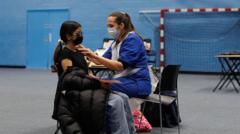
Expert Panel Calls for Expanded MenB Vaccination Programme
Leading health advisers in the United Kingdom have issued a formal recommendation that MenB vaccination for teenagers starting at age 15 should be made freely available through the NHS. This proposal for MenB vaccination across the teenage population represents a significant shift in public health strategy and stems from growing concerns regarding preventable meningococcal disease transmission among young people.
Response to Kent Outbreak Drives Urgent Policy Review
The push for expanded MenB vaccination programmes has been accelerated by a serious outbreak of meningitis B that occurred in Kent during the earlier months of this year. The incident resulted in tragic consequences, with two individuals losing their lives to the infection. This outbreak highlighted critical gaps in current vaccination coverage and prompted medical professionals to reassess existing immunisation strategies for vulnerable age groups.
Health officials conducting investigations into the Kent episode determined that enhanced preventive measures were necessary to protect the adolescent population from meningococcal disease. The outbreak served as a stark reminder of the serious health threats posed by meningitis B and the importance of proactive vaccination initiatives.
Current MenB Vaccination Status in the UK
Present NHS protocols include MenB vaccination for infants and certain high-risk groups, but coverage gaps exist for broader teenage populations. The recommended introduction of MenB vaccination at age 15 would extend protection to a critical demographic that currently faces elevated exposure risks during their school and social interactions. Experts argue that making MenB vaccination universally accessible at this age would create a more comprehensive shield against meningococcal disease transmission.
Why Age 15 Represents a Critical Vaccination Window
Medical researchers emphasise that the teenage years, particularly from age 15 onwards, represent a period of heightened vulnerability to meningitis B infection. Behavioural patterns during adolescence, including increased social mixing and dormitory living for students, create conditions that facilitate meningococcal transmission. Implementing MenB vaccination at this age would interrupt disease spread precisely when intervention proves most effective.
Furthermore, teenage vaccination programmes offer logistical advantages through school-based administration systems already established in the UK education framework. This infrastructure allows rapid and efficient delivery of MenB vaccination to the entire age cohort without requiring individual healthcare appointments.
Government Consideration and Next Steps
The recommendations now await formal consideration by UK government officials responsible for healthcare policy and NHS budget allocation. Health department leaders are evaluating the scientific evidence and epidemiological data supporting the MenB vaccination expansion proposal. The decision-making process will examine both the public health benefits and financial implications of introducing universal free MenB vaccination for teenagers beginning at age 15.
Advisers have presented comprehensive arguments demonstrating that population-level MenB vaccination would yield significant benefits through disease prevention, reduced hospitalisation rates, and elimination of fatal outcomes comparable to those witnessed during the Kent incident. These projections incorporate epidemiological modelling and international comparisons with countries that have implemented similar vaccination strategies.
Broader Implications for Public Health Strategy
The expert recommendation reflects evolving understanding of meningitis B epidemiology and increasingly sophisticated approaches to vaccine-preventable disease management. Should the government approve the MenB vaccination programme for teenagers, it would establish the UK as a leader in proactive meningococcal disease prevention among developed nations.
Public health organisations and medical bodies have expressed strong support for the proposed initiative, citing both ethical imperatives to protect young people and practical evidence demonstrating vaccination programme effectiveness. The unanimous expert consensus regarding MenB vaccination necessity indicates broad professional agreement on this public health measure.
Community Safety and Disease Prevention Outcomes
Implementation of free MenB vaccination programmes targeting the 15-year-old population and older teenagers would substantially strengthen community defences against meningitis B infection. Previous outbreaks underscore the devastating consequences of inadequate vaccination coverage and the importance of maintaining high immunisation rates across vulnerable demographics.
Health authorities emphasise that establishing comprehensive MenB vaccination protocols represents a proven, evidence-based approach to preventing serious infectious disease complications. The proposed teenage vaccination programme directly addresses identified risks demonstrated by the Kent outbreak and current epidemiological surveillance data indicating ongoing meningitis B transmission risk among adolescent populations.