Iran's Limited Conflict Strategy: A Calculated Approach Against US Tensions
Explore how Iran's measured military posture could benefit negotiations with the US while minimizing escalation risks and maintaining regional influence.
Iran's Strategic Calculation in US-Iran Relations
Iran's approach to its ongoing tensions with the United States reflects a sophisticated understanding of how limited conflict escalation can serve Tehran's interests better than pursuing either full-scale war or complete diplomatic resolution. The nation's strategic planners appear to believe that carefully calibrated military actions and proxy operations can maintain meaningful pressure on American interests throughout the Middle East while deliberately avoiding the catastrophic consequences of a comprehensive armed confrontation.
This Iran US conflict strategy represents a middle ground—what analysts describe as competitive coexistence through controlled tension. Rather than seeking total victory or absolute peace, Iranian decision-makers calculate that a state of managed hostility allows them to pursue several simultaneous objectives: preserving their deterrent capabilities, maintaining influence among regional allies, demonstrating strength to domestic constituencies, and preventing American military intervention in Iranian affairs.
The Military Doctrine Behind Limited Engagement
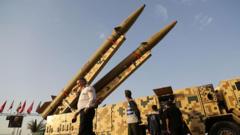
Iran's military establishment has spent decades developing what experts call asymmetric warfare capabilities. These include sophisticated drone technology, ballistic missile systems, cyber warfare units, and extensive networks of proxy forces across Iraq, Syria, Lebanon, and Yemen. Rather than risk a direct confrontation with American military superiority, this Iranian military doctrine emphasizes distributed power that imposes costs on opponents while remaining beneath the threshold that would trigger overwhelming U.S. retaliation.
The strategic advantage of this approach lies in its flexibility. Iran can escalate pressure through proxy activities—whether maritime operations in the Strait of Hormuz, drone attacks on regional infrastructure, or cyber incidents targeting American interests—without placing its own territory directly at risk. This operational framework allows Tehran to maintain the initiative while forcing the United States into reactive postures that consume resources and political capital.
Avoiding Total War While Maintaining Pressure
A comprehensive military conflict between Iran and the United States would devastate both nations economically and strategically. Iran's economy, already stressed by international sanctions, could not sustain the logistics of a prolonged conventional war. The country's air defenses, while formidable, would face enormous challenges against American air superiority. For the U.S., meanwhile, a major military operation against Iran would require substantial deployments, cost thousands of lives, and potentially destabilize global energy markets.
By pursuing limited conflict instead, Iran avoids these catastrophic scenarios while still achieving meaningful strategic objectives. The nation demonstrates its refusal to be dictated to by external powers, maintains deterrent credibility among potential adversaries, and preserves its capacity to project influence across the region. This equilibrium of calculated tension paradoxically provides more security for Iranian leadership than either extreme would offer.
Regional Implications and Power Dynamics
Iran's limited engagement strategy affects the entire Middle East power structure. Allied nations in the region—whether state actors like Syria or non-state organizations including Hezbollah and Houthi forces—depend on Iranian support and strategic direction. By maintaining active friction with the United States without triggering all-out war, Iran reinforces its role as the central organizing force for this coalition of interests.
This approach also allows Iran to demonstrate strength to its own population and governing institutions. The Islamic Revolutionary Guard Corps and other military organizations maintain their political and economic significance within Iranian society through active operations and technological development. Continuous friction with America validates their budgets, their organizational importance, and their narrative about external threats to national security.
The Diplomatic Dimension
Paradoxically, maintaining limited conflict while avoiding total war may actually facilitate future negotiations. Iran's military capabilities, demonstrated through controlled incidents and strategic messaging, provide leverage in any diplomatic discussions. American policymakers must weigh the costs of escalation against the benefits of negotiated settlements. This mutual vulnerability can create incentive structures for eventual dialogue when both sides recognize the futility of further escalation.
The US Iran relations framework operates within this context of managed competition. Both nations understand that unlimited conflict serves neither party's interests, yet complete accommodation remains politically impossible for either government. Therefore, the current state of limited tensions, while unstable and occasionally dangerous, may represent an equilibrium point that both sides can tolerate indefinitely.
Conclusion: The Logic of Controlled Tension
Iran's strategic preference for limited conflict over both total war and genuine peace reflects rational calculation about available options in an asymmetric power relationship. By maintaining sufficient military capability and political will to impose costs on adversaries while deliberately restraining from actions that would trigger overwhelming retaliation, Iran pursues a strategy designed to survive, persist, and gradually extend influence. This approach requires constant calibration and carries inherent risks, but from Iran's perspective, it offers advantages superior to both destructive warfare and humiliating accommodation.