India Aims to Become a Global Strawberry Powerhouse
India seeks to develop its own strawberry varieties and reduce dependence on imported seeds from the US and Europe, positioning itself as a major player in glob...
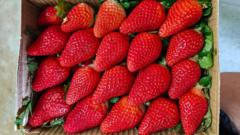
India's Strategic Push to Dominate the Global Strawberry Market
India is embarking on an ambitious agricultural initiative to establish itself as a strawberry powerhouse in the international market. The nation's farming communities, historically reliant on imported strawberry varieties from the United States and European nations, are now pursuing homegrown solutions to revolutionize their production capabilities and strengthen their competitive position in the global strawberry industry.
Current Dependence on International Seed Imports
For decades, Indian strawberry farmers have depended heavily on imported seed varieties sourced from established agricultural powerhouses in North America and Europe. This reliance on foreign genetics has created significant challenges, including increased production costs, logistical complications, and vulnerability to international market fluctuations. The strawberry farming sector in India has faced constraints in developing local expertise and securing sustainable supply chains that would allow for independent agricultural advancement.
The current import-dependent model has limited Indian farmers' ability to adapt quickly to regional climatic conditions, pest pressures, and soil characteristics unique to their growing regions. By perpetually purchasing seeds from overseas suppliers, Indian agricultural producers have missed opportunities to invest in indigenous research and development infrastructure that could provide long-term economic benefits.
Transforming India Into a Strawberry Powerhouse Through Innovation
Recognizing these structural limitations, Indian agricultural institutions and government bodies are now catalyzing a transformative movement toward developing proprietary strawberry varieties tailored specifically to Indian growing conditions. This shift represents a fundamental change in how the nation approaches its strawberry farming industry, moving from passive consumer status to active innovator and exporter.
Agricultural research centers across India are intensifying efforts to breed strawberry varieties that thrive in diverse climate zones, from cooler mountainous regions to warmer subtropical areas. These homegrown cultivars will be engineered to resist local diseases, optimize yield potential, and meet both domestic consumption demands and international quality standards expected in global markets.
Economic and Agricultural Benefits of Domestic Variety Development
The transition toward indigenous strawberry varieties promises substantial economic advantages for Indian farmers and the broader agricultural sector. By reducing dependency on imported seeds, producers will experience lower input costs, improved profit margins, and enhanced resilience against supply chain disruptions. The development of a strawberry powerhouse capability will generate employment opportunities throughout the agricultural value chain, from research and breeding to distribution and export.
Furthermore, establishing India as a strawberry powerhouse would position the country to capture larger shares of the growing global strawberry market. Premium quality fruits produced from locally-adapted varieties could command higher prices in international markets, particularly in regions that value sustainable, regionally-appropriate agricultural practices.
Research and Development Infrastructure Expansion
Indian agricultural universities and research institutions are receiving increased investment and policy support to accelerate strawberry genetics research. Modern laboratory facilities, advanced breeding techniques, and collaborative international partnerships are enabling scientists to develop varieties that combine the best traits from global germplasm while adapting them to Indian agricultural contexts.
These research initiatives focus on creating strawberry varieties with enhanced disease resistance, superior flavor profiles, extended shelf life, and optimal nutrition content. The development process incorporates traditional agricultural knowledge alongside cutting-edge biotechnology, creating a hybrid approach that respects India's farming heritage while embracing contemporary scientific innovation.
Regional Cultivation Strategies and Climate Adaptation
India's diverse geography presents both challenges and opportunities for strawberry production. Scientists are developing region-specific varieties suited to different climatic zones throughout the country. Cooler northern regions, temperate hill stations, and emerging growing areas in southern India each require customized genetic profiles to maximize productivity and sustainability.
This regionally-tailored approach to variety development ensures that farmers across diverse Indian territories can participate in the strawberry powerhouse vision, rather than limiting expansion to traditionally favorable zones. Such inclusive agricultural development strengthens rural economies nationwide while building comprehensive domestic expertise in strawberry cultivation.
Path Forward for India's Strawberry Industry
India's commitment to becoming a global strawberry powerhouse represents a strategic pivot toward agricultural self-sufficiency and market competitiveness. By investing in homegrown variety development, research infrastructure, and farmer education programs, the nation is constructing the foundation for a thriving indigenous strawberry industry that can compete internationally while serving growing domestic demands.
This transformation from import dependency to innovation leadership will require sustained commitment, adequate funding, and collaborative efforts across government, research institutions, and farming communities. However, the long-term benefits—economic growth, food security, and enhanced global agricultural standing—make this investment essential for India's agricultural future and its aspirations to join the world's strawberry superpowers.


