FIFA President Infantino Faces Crisis as UEFA Threatens World Cup Boycott
UEFA threatens World Cup boycott amid Concacaf rejection of Infantino's funding plan. Discover what's next for FIFA's embattled president.
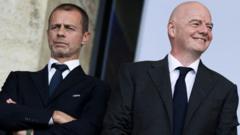
Infantino's Leadership Under Siege: FIFA President Faces Unprecedented Challenges
The football world experienced a dramatic upheaval following threats from UEFA to abandon the World Cup, coupled with Concacaf's refusal to endorse Gianni Infantino's financial proposal. The Infantino FIFA crisis marks a pivotal moment in international sports governance, raising questions about the stability of the organization's leadership structure and future direction.
UEFA's Dramatic Stance Against World Cup Participation
European football's governing body has taken an extraordinary position by threatening to withdraw from the World Cup tournament. This decision represents an unprecedented level of institutional conflict within FIFA, signaling deep-rooted disagreements regarding financial distribution and decision-making processes. Such a boycott would fundamentally reshape the competitive landscape of world football.
The Financial Dispute at the Core
The foundation of this conflict centers on Infantino's proposed funding arrangement, which Concacaf decisively rejected. This rejection demonstrates significant fractures within FIFA's continental confederations, with regional bodies expressing dissatisfaction over the distribution of resources and revenue-sharing models. The financial disagreement highlights systemic tensions between FIFA's central authority and its member confederations.
Concacaf's Rejection and Its Implications
North America, Central America, and Caribbean football officials declined to support Infantino's funding plan, marking a substantial blow to the FIFA president's authority. This rejection signals that regional confederations are increasingly willing to challenge FIFA's top leadership when proposals fail to address their economic interests and governance concerns. The Concacaf position reinforces broader dissatisfaction among football's stakeholders.
Regional Confederation Power Dynamics
The refusal by Concacaf to endorse Infantino's proposal demonstrates the growing influence of regional confederations in FIFA's decision-making hierarchy. These organizations represent the interests of their member nations and have shown willingness to collectively oppose measures they deem unfavorable. Such collective action strengthens their negotiating position within FIFA's institutional framework.
Can Infantino Survive This Political Storm?
The viability of Gianni Infantino's continued presidency has become genuinely uncertain. Facing simultaneous resistance from UEFA—the world's most influential confederation—and rejection from Concacaf, the FIFA president confronts mounting pressure. His ability to navigate these crises will determine whether he can restore confidence among FIFA's constituent organizations.
Leadership Credibility in Question
An executive's authority depends fundamentally on the support of key stakeholders. With UEFA threatening boycotts and Concacaf refusing financial proposals, Infantino's credibility has been substantially damaged. The capacity to implement decisions and maintain organizational cohesion directly correlates with institutional confidence in leadership.
The Immediate Future: What Happens Next
The coming weeks will prove critical for resolving this unprecedented institutional crisis. FIFA must navigate competing interests, address financial grievances, and establish pathways for dialogue between its estranged confederations. The organization's leadership will need to broker compromises that restore confidence among European and North American football bodies.
Negotiation and Reconciliation Efforts
Behind-the-scenes negotiations are presumably underway to prevent the catastrophic scenario of UEFA's World Cup withdrawal. These discussions will likely involve revisiting the rejected funding proposal and developing alternative financial models that address regional concerns. The success of such negotiations will substantially influence Infantino's political future.
Broader Implications for Global Football Governance
This crisis extends beyond individual personalities, reflecting fundamental questions about FIFA's governance structure. The tension between centralized authority and regional autonomy has surfaced dramatically, prompting broader discussions about institutional reform and decision-making processes. These systemic issues may require structural changes to FIFA's organizational framework.
The Path Forward for FIFA
The organization faces a critical juncture where leadership must demonstrate responsiveness to member confederation concerns while maintaining institutional stability. Whether through Infantino's adaptation or through alternative leadership, FIFA must address the underlying governance challenges that precipitated this crisis. The football world awaits resolution of these institutional disputes.


