England Faces Severe Water Shortage as Drought Spreads Across Nation
Over half of England declared in drought conditions following extreme heat and dry weather. Rivers, crops, and wildlife face unprecedented water stress.
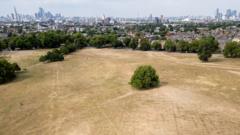
England Declared in Drought State as Water Crisis Deepens
The Environment Agency has officially announced that England drought declaration affects more than fifty percent of the country, marking a significant environmental crisis. This widespread England drought declaration comes after an extended period of exceptionally elevated temperatures and severely diminished rainfall across the region, creating unprecedented challenges for water resources, agricultural productivity, and ecological systems.
Causes Behind the Widespread Water Emergency
The current England drought declaration represents a culmination of multiple contributing factors. An unusually prolonged hot season combined with below-average precipitation levels has depleted water reserves at an alarming rate. Meteorological data indicates that the region experienced sustained high temperatures throughout the critical months when water replenishment typically occurs, preventing adequate restoration of aquifers, reservoirs, and natural water sources.
This climatic pattern has proven particularly severe compared to historical norms. The combination of extended heat waves and minimal rainfall created a perfect storm scenario for water depletion, with conditions intensifying throughout the affected territories and showing minimal signs of relief without significant precipitation events.
Impact on River Systems and Water Flow
Rivers throughout the affected regions have experienced dramatically reduced water levels as a direct consequence of the drought conditions. Many waterways that typically maintain consistent flow rates have seen substantial decreases in water volume, affecting both freshwater ecosystems and water supply infrastructure that depends on reliable river flows.
The reduced river water levels present multifaceted challenges. Navigation routes have become compromised, water intake facilities struggle to meet operational demands, and the ecological balance of aquatic habitats faces severe disruption. Fish populations and other aquatic organisms dependent on adequate water depth and oxygen levels now face survival threats.
Agricultural Consequences and Crop Vulnerability
The agricultural sector confronts substantial challenges as crops face unprecedented water stress during critical growing seasons. Farmers across the drought-affected areas report diminished soil moisture levels, forcing difficult decisions regarding irrigation, crop selection, and land management practices.
Water allocation for agricultural purposes has become increasingly restricted as authorities prioritize essential human consumption and public health needs. Traditional irrigation sources have become unreliable, forcing agricultural producers to implement emergency conservation measures and potentially accept reduced yields for current growing seasons.
Ecological and Wildlife Concerns
Natural ecosystems throughout the region demonstrate significant stress from prolonged drought conditions. Wildlife dependent on adequate water availability faces habitat degradation and scarcity of essential water sources. Wetland areas have contracted, threatening species that rely on these specialized environments for breeding and survival.
The England drought declaration has triggered environmental assessments of vulnerable habitats and wildlife populations. Conservation organizations report increased concern regarding species survival rates, with particular worry about those already facing population pressures from other environmental factors.
Response Measures and Water Conservation Efforts
The Environment Agency and local water authorities have implemented comprehensive response strategies addressing the escalating crisis. These measures include public awareness campaigns emphasizing water conservation, restrictions on non-essential water usage, and enhanced monitoring of water resource availability and distribution.
Restrictions on hosepipe usage and garden watering have been implemented in numerous areas, while businesses face limitations on water consumption. Such measures aim to preserve available water resources for essential needs while encouraging behavioral changes supporting long-term conservation practices.
Looking Forward and Climate Implications
The declaration of England drought conditions across more than half the nation raises important questions about long-term climate patterns and water resource sustainability. Environmental experts emphasize the necessity of developing resilient water infrastructure and implementing adaptive management strategies for future uncertainties.
The current crisis underscores the importance of investment in drought preparedness, water storage capacity, and sustainable management practices. Communities throughout the affected regions must prepare for potential recurrence of similar conditions, ensuring adequate resources and infrastructure to manage future water scarcity events effectively.